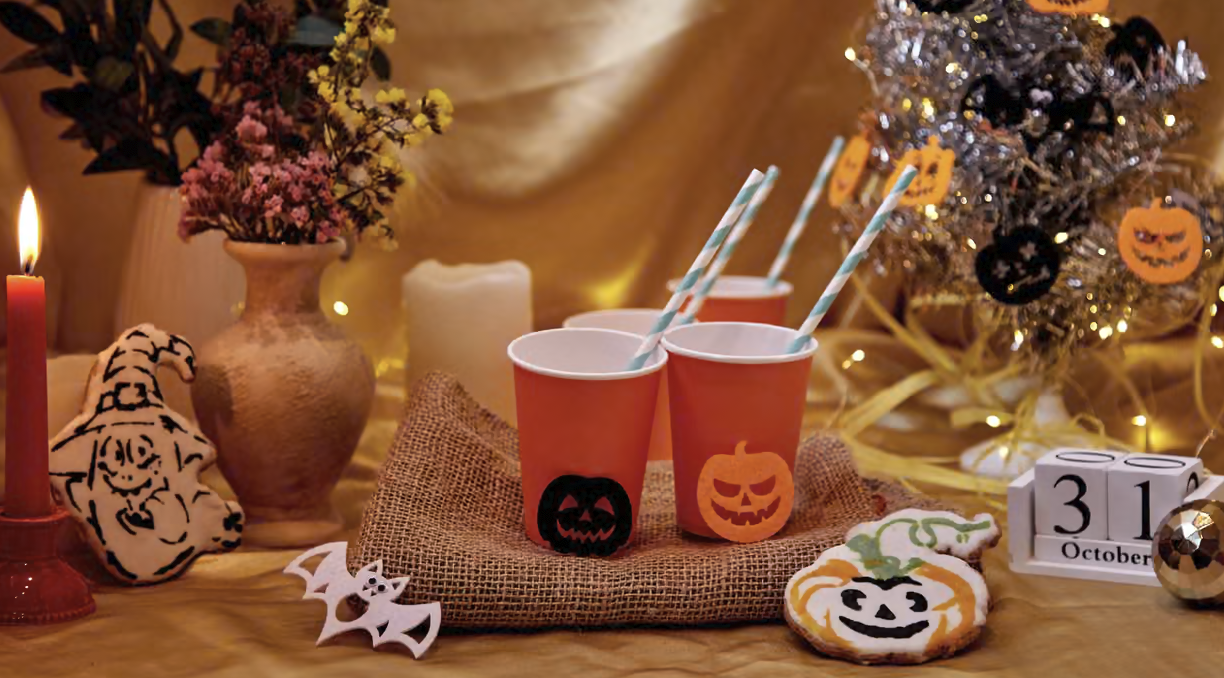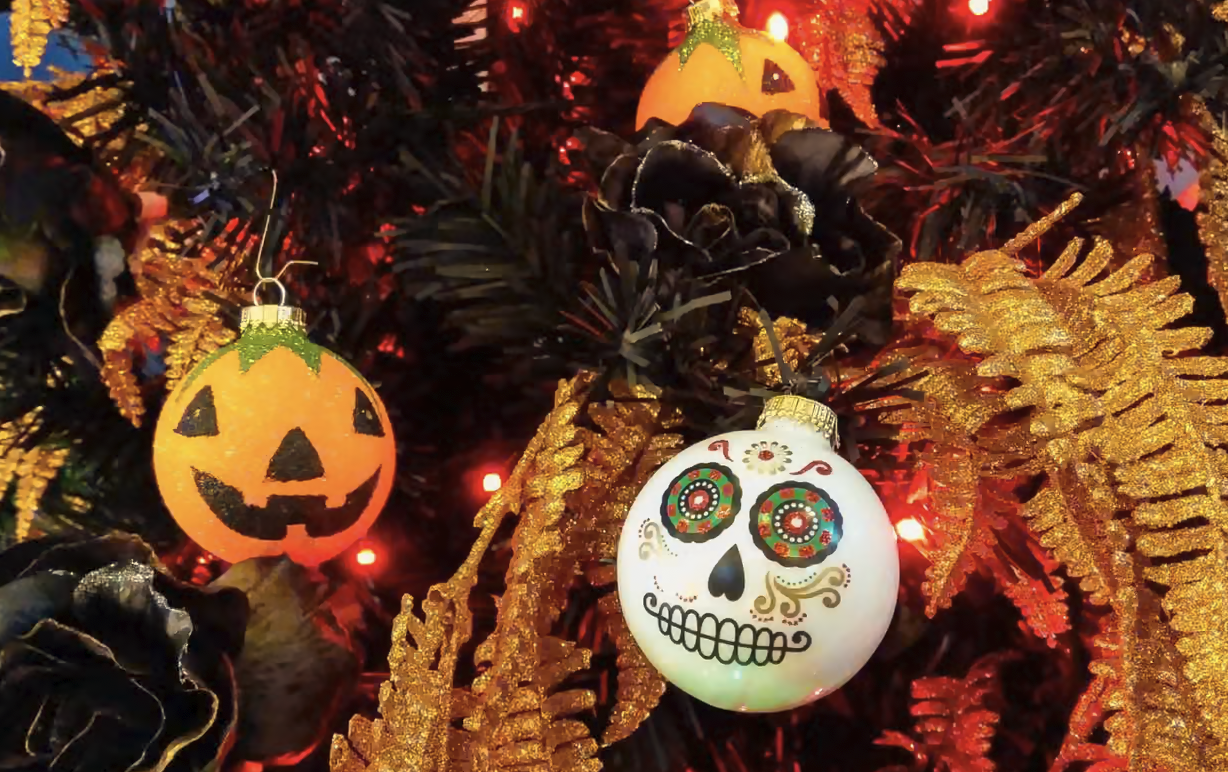
Halloween used to mean getting ready for one spooky night. Now, Halloween trees, wreaths, decorations and themed experiences are turning it into a longer season in some places.
For businesses, that raises an interesting question: if customers start celebrating earlier, what could you offer them - and for how long?
It’s a useful example of seasonal demand: changes in customer demand linked to particular times of the year. A longer selling period could create more opportunities, but it also means decisions about stock, staffing, promotion and what happens to anything left unsold.
Here’s a quick question for your class: Would you rather run a Halloween business for one busy night or the whole month of October? What would make the longer option worthwhile?
There’s room for different answers. A haunted experience, a costume repair service, or a Halloween bakery range could each have a different target market and a different ideal selling window.
Want to turn those ideas into a classroom activity? Head to Ripyl’s Community Feed for the full post and link to our Halloween activity card, where students develop a seasonal product, service, or experience and decide who it’s for and how long to sell it.